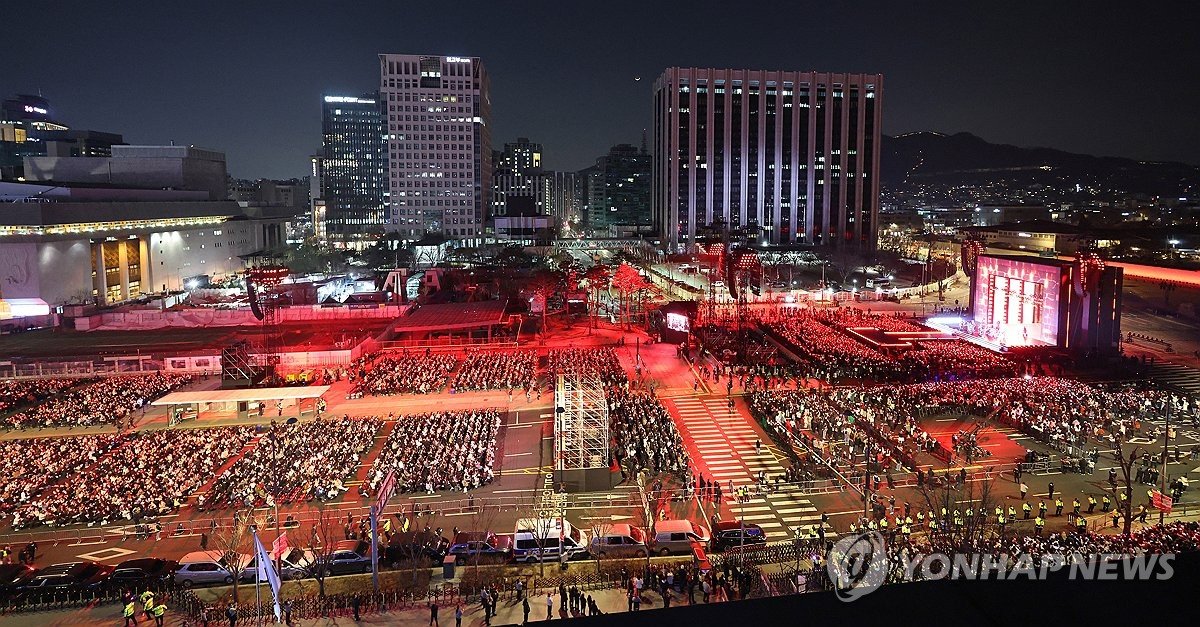
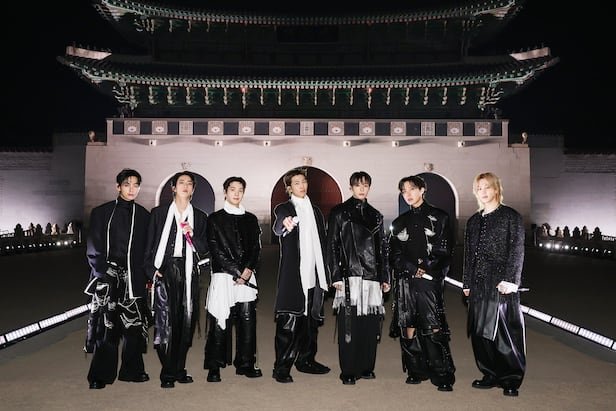
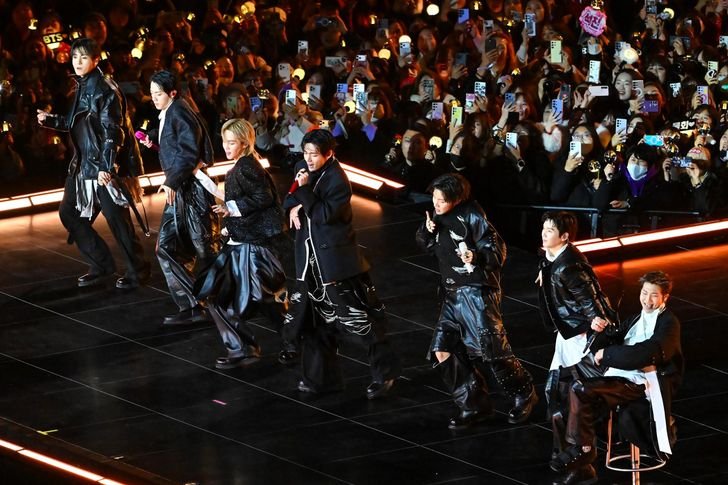
The wait is finally over! BTS has officially returned to the stage with a highly anticipated comeback concert at Gwanghwamun Square in Seoul after a four-year break.
While this monumental event successfully spurred international tourism and immense cultural pride, it also brought unexpected challenges. Highly restrictive crowd control measures resulted in lower attendance and economic disappointment for local merchants.
Fan Tourism and Regional Exploration
The power of the global ARMY is undeniable when it comes to K-pop tourism. International fans are actively driving regional economic growth by embarking on meaningful pilgrimages to iconic BTS-related locations.
Destinations like Sokcho, Gangneung, Pyeongchang, and Busan are seeing a massive influx of passionate fans exploring cultural sites. For many, these trips are a beautiful way to connect with the filming locations of hits like “Spring Day” and beloved reality shows like “In the SOOP BTS.”
Safety Success vs. Crowd Control Measures
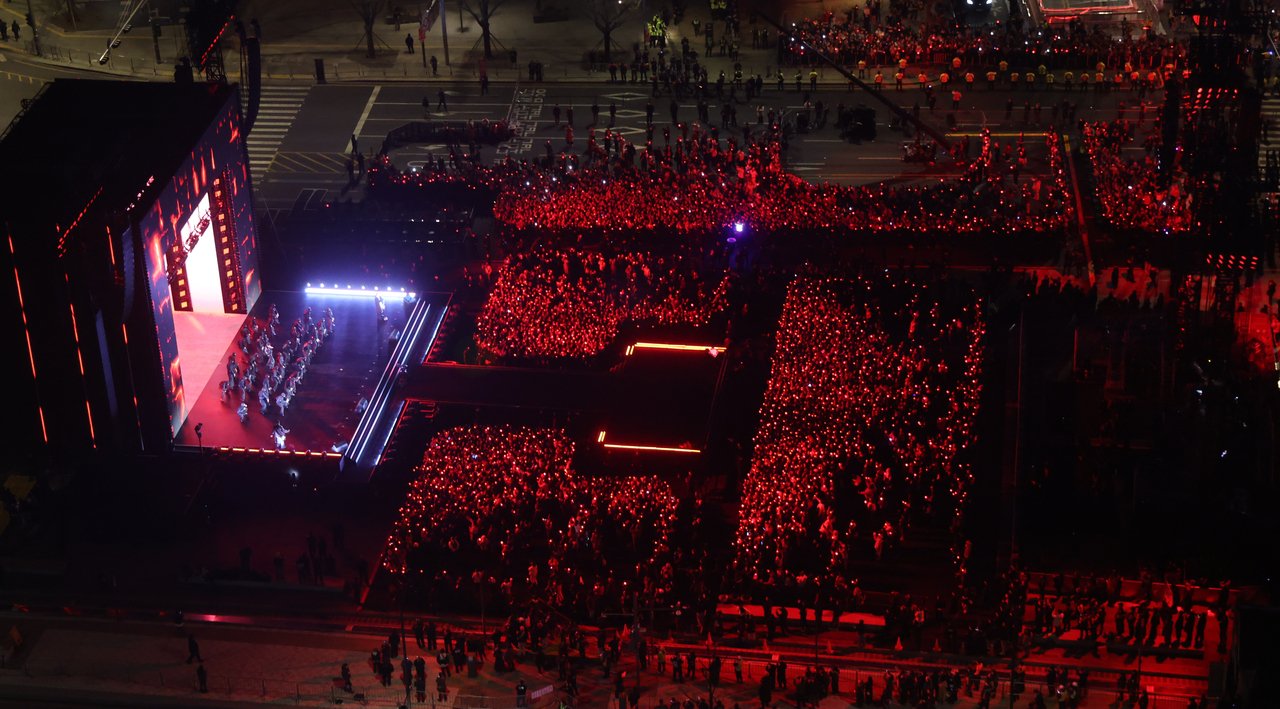
Heavily influenced by the tragic events in Itaewon in 2022, event organizers and city officials prioritized crowd management above all else. The concert featured unprecedented security measures, including non-stop subway operations and mandatory metal detectors.
These rigorous protocols paid off spectacularly, as the massive outdoor event concluded with absolutely zero safety incidents. This flawless safety record even earned official praise from the Minister of Culture, Sports and Tourism.
Lower Turnout and Business Frustrations
Despite the safety triumphs, the exceptionally strict crowd control measures heavily impacted the event’s overall turnout. Actual attendance ranged from 46,000 to 104,000 fans, falling significantly short of the originally projected 260,000 attendees.
Local businesses surrounding the iconic venue felt the sting of these restricted foot traffic flows. Many local merchants reported deeply disappointing sales, with some earning a mere 5% of their expected revenue for the day.
Debate Over Administrative Costs
Securing a massive K-pop event requires incredible resources, but the sheer numbers have sparked a debate regarding local deployment. A staggering mobilization of 10,000 personnel, including 6,700 police officers, was required to manage the crowds.
This immense scale of security raised valid criticisms regarding excessive administrative costs. Estimates show these expenditures reached approximately 440 million KRW, leaving some to question the financial sustainability of such protocols.
What are your thoughts on balancing ultimate fan safety with local economic growth during major K-pop events? Let us know your opinions in the comments below!